Guide Summary
Tool for Trade (TFT) is designed for employees whose roles require regular business travel — sales, service, project and field teams. MYLEASE provides fit-for-purpose vehicles and manages the lifecycle so organisations improve productivity without absorbing ownership complexity.
What Is Tool for Trade?
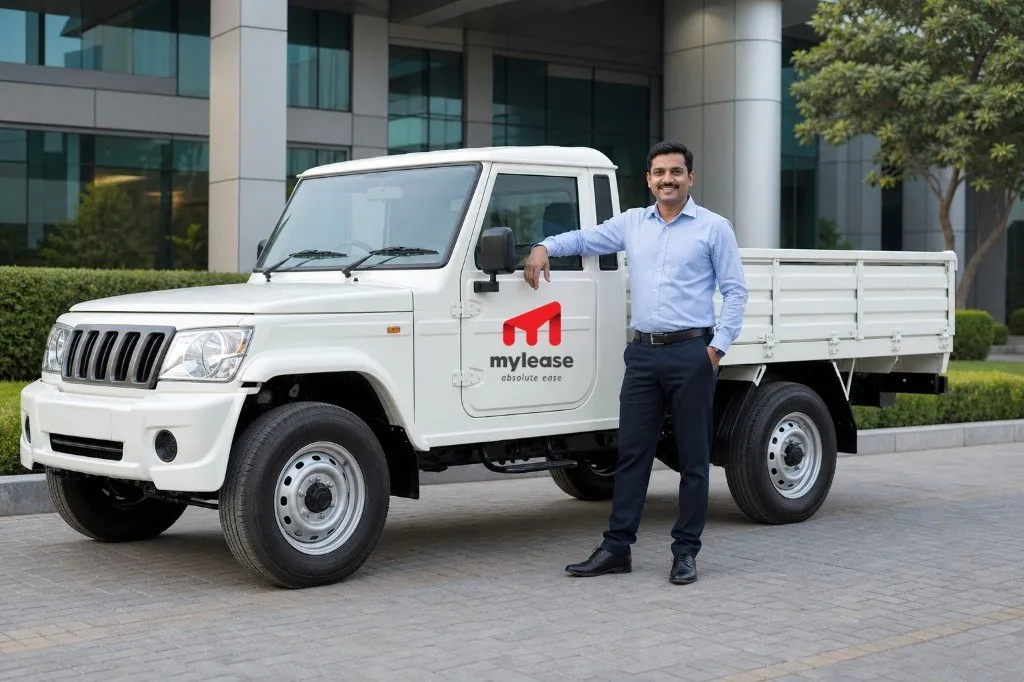
Tool for Trade vehicles are assigned to employees whose responsibilities require regular travel for sales, service, technical support, project management or customer visits. The vehicle is a work tool — not only a perk — and programme design should reflect utilisation, coverage area and uptime needs.
MYLEASE manages sourcing, documentation, maintenance coordination, insurance support and end-of-term handling while your teams stay focused on customers.
Ideal For
- Sales teams and business development roles
- Service engineers and technical support
- Area managers and field executives
- Project managers with multi-site travel
- Distribution and customer-facing field roles
What’s Typically Included
- Lease rental for the contracted tenure
- Maintenance coordination
- Insurance support
- Road tax management support
- Breakdown assistance
- Tyre and battery management options as structured in the package
- Dedicated MYLEASE support
Business Benefits
- Higher employee productivity through reliable mobility
- Reduced capital expenditure versus buying field fleets
- Predictable monthly costs for budgeting
- Nationwide servicing support for distributed teams
- Professional fleet management and clearer accountability
- Better asset utilisation across territories
Design Tips for Field Programmes
- Map roles by travel intensity before choosing vehicle categories.
- Define replacement / downtime expectations with MYLEASE.
- Align fuel and expense policies separately from the lease package.
- Use MYLEASE One for service requests from day one.
- Review utilisation quarterly and right-size underused vehicles.
Tool for Trade succeeds when operations, finance and field leadership share one definition of uptime and cost. Ambiguity here creates both stranded vehicles and frustrated teams.